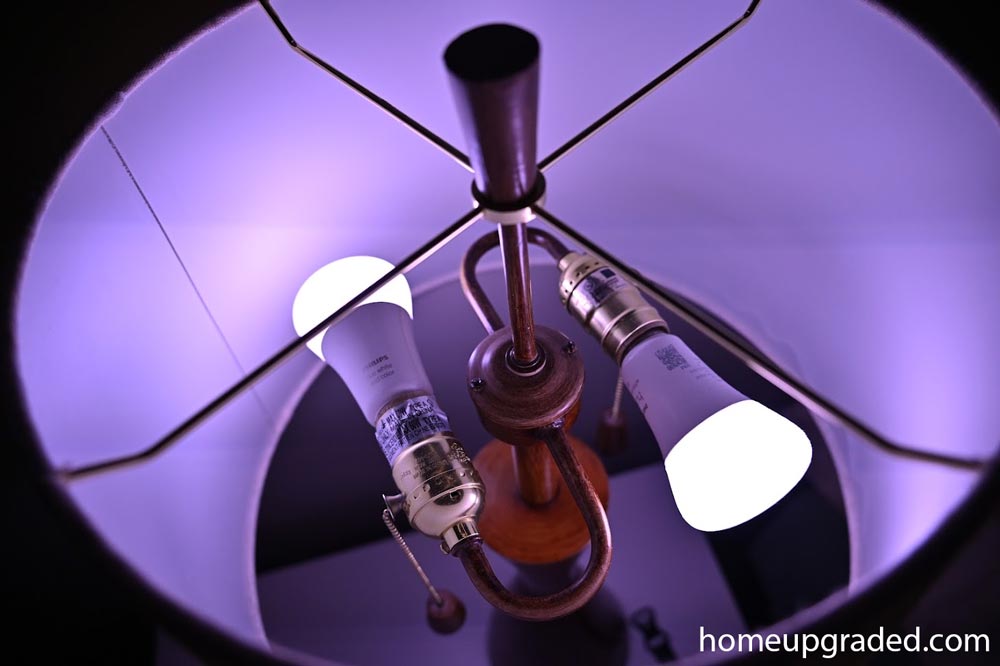
Time with product: 10+ years
I didn’t realize I was getting into a long-term relationship when I bought a few Philips Hue bulbs for my bedroom over a decade ago.
All I wanted was a light I could dim from my phone, and a light that had more range than “really bright” and “off”.
The fact I could make them a pleasing pink was really just a bonus.
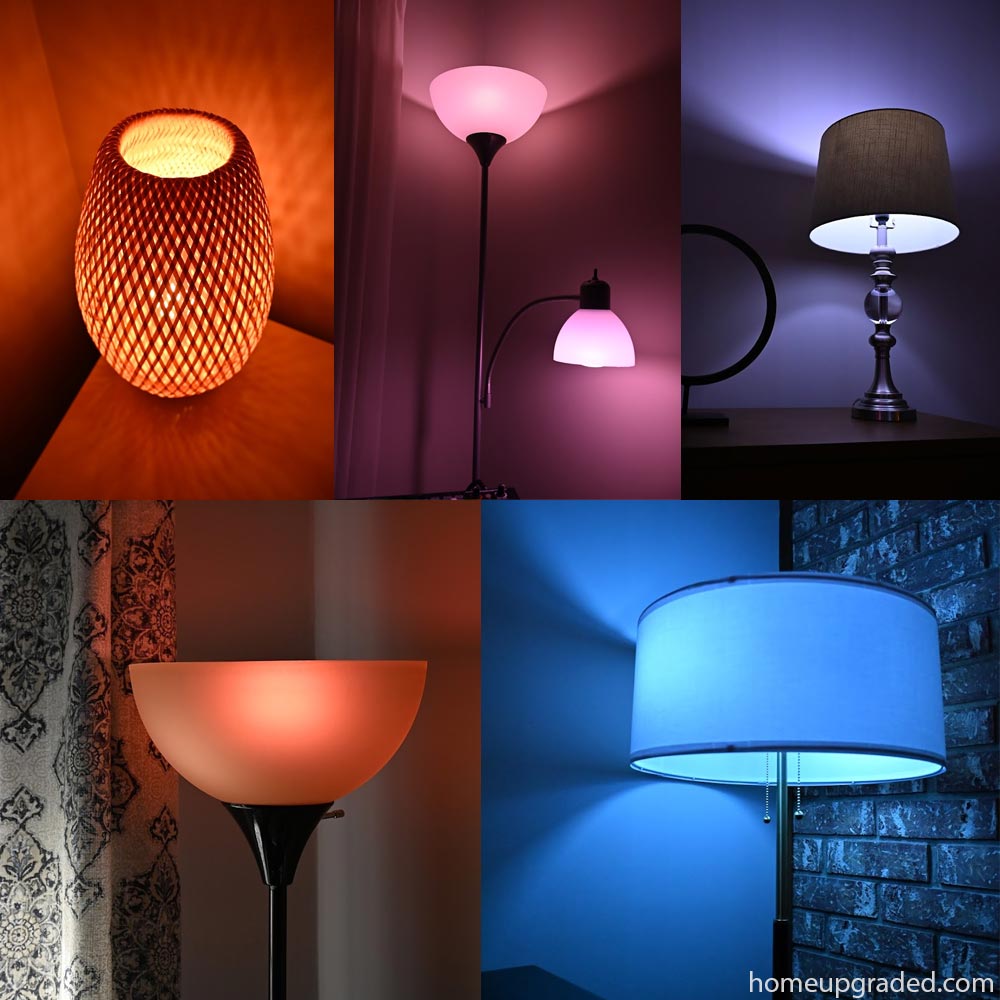
That was 2015, and now in 2025 I’m looking around my house and realizing I am fast approaching having 50 of these magical bulbs.
Even better: the gen 1s in this house are still in daily use. They haven’t even burned out yet!
So if you’re thinking of making the switch to Philips Hue and wondering if they’re worth the high cost and if you will still be using them once the novelty wears off, read on.
Hue system at a glance
To get started with Hue, you need home WiFi, a Philips Hue bridge, and at least one Philips Hue light bulb. The starter kit has everything you need. Setting it up is easy, and adding more bulbs is trivial.
Philips has continuously supported and improved the product line over the decade that I’ve been invested in it. Gen 1 bulbs are still compatible and supported, newer bulbs can go dimmer and show a fuller range of colors, and the newest hub adds motion-detection capabilities to bulbs as old as ~2014 (provided you have at least 3 of them in the room).
How I use Hue
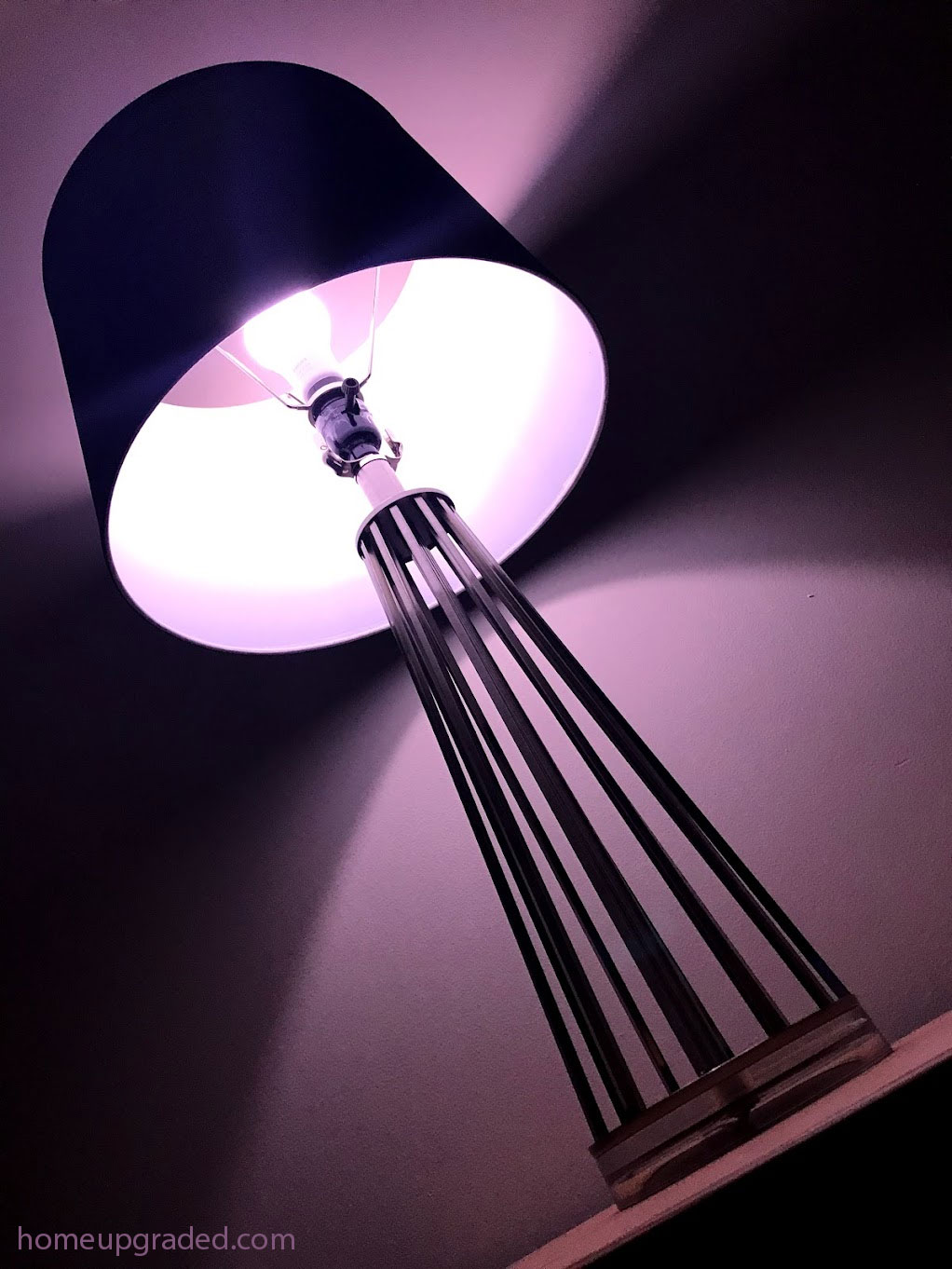
I initially got into Hue because they were “fun”, but the pragmatic uses quickly added up.
Looking around my house, I see Hue bulbs as:
- Night lights: set to a low percent and tinted pink or red, the bulbs provide just enough light to keep hallways navigable during the nighttime
- Garage light: I put a small lamp with a Hue bulb on one of my garage shelves and no longer need to rely on the overhead light being on to navigate my garage at night
- Kids bedroom lights: babies and kids present another “we need a dim light here” situation that Hue bulbs were great for
- Mood lighting: dim pink for TV time, light blue for morning
- Task lighting: I have a Hue strip taped to the underside of my kitchen cabinets. What was once darkness is now a well-illuminated workspace. Other lights can be dimmed/brightened as needed for whatever the task may be.
- Lights on timers: the garage and laundry room are lit by Hue before the sun rises and after it sets.
- Festive color palettes for holidays and parties 🎄
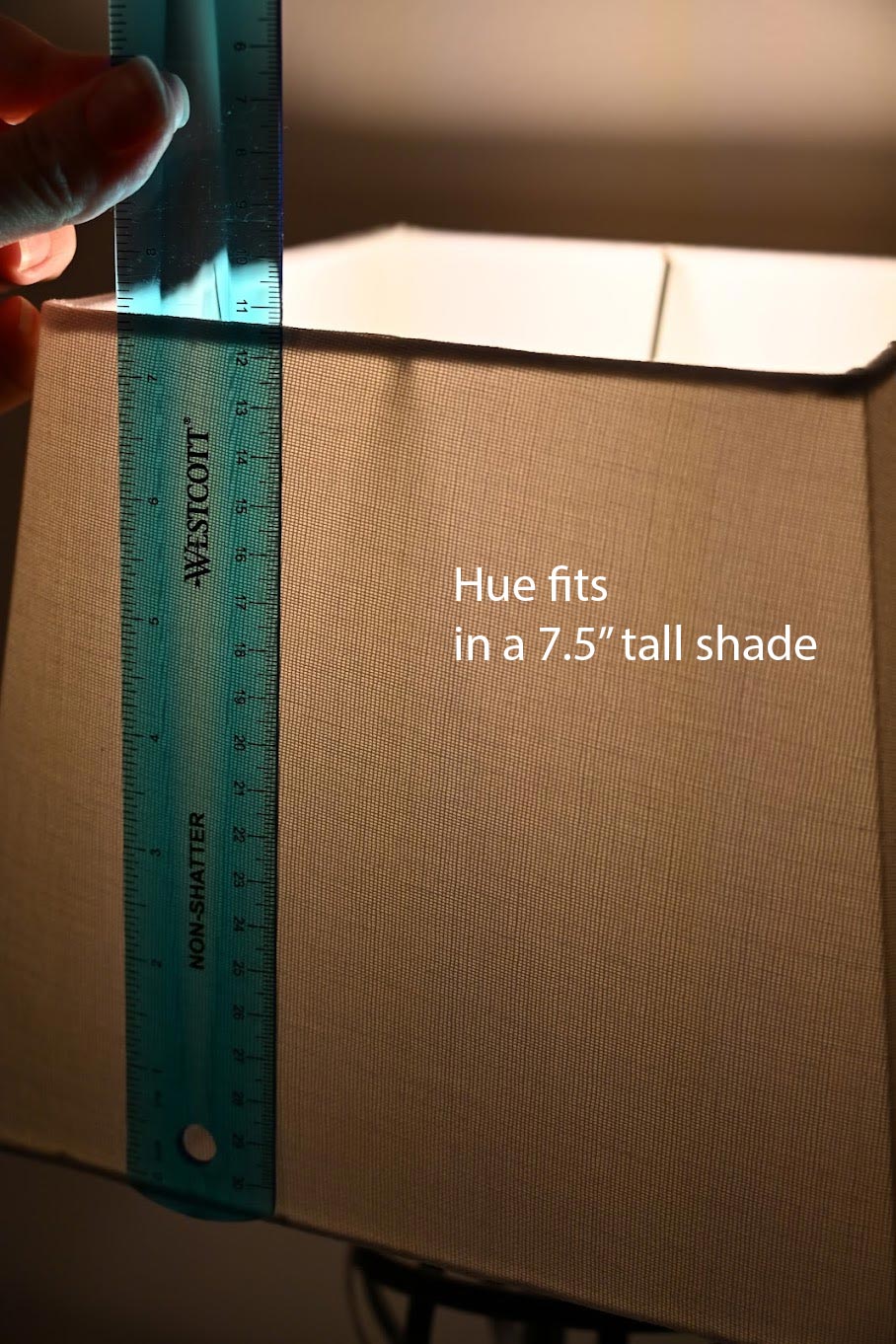
Something I really like: Hue bulbs fit into small lamps, too. This this cheap cylindrical lamp holds a A19 Hue bulb and is small enough to sit on bookshelves or on kitchen countertops under the hanging cabinets.
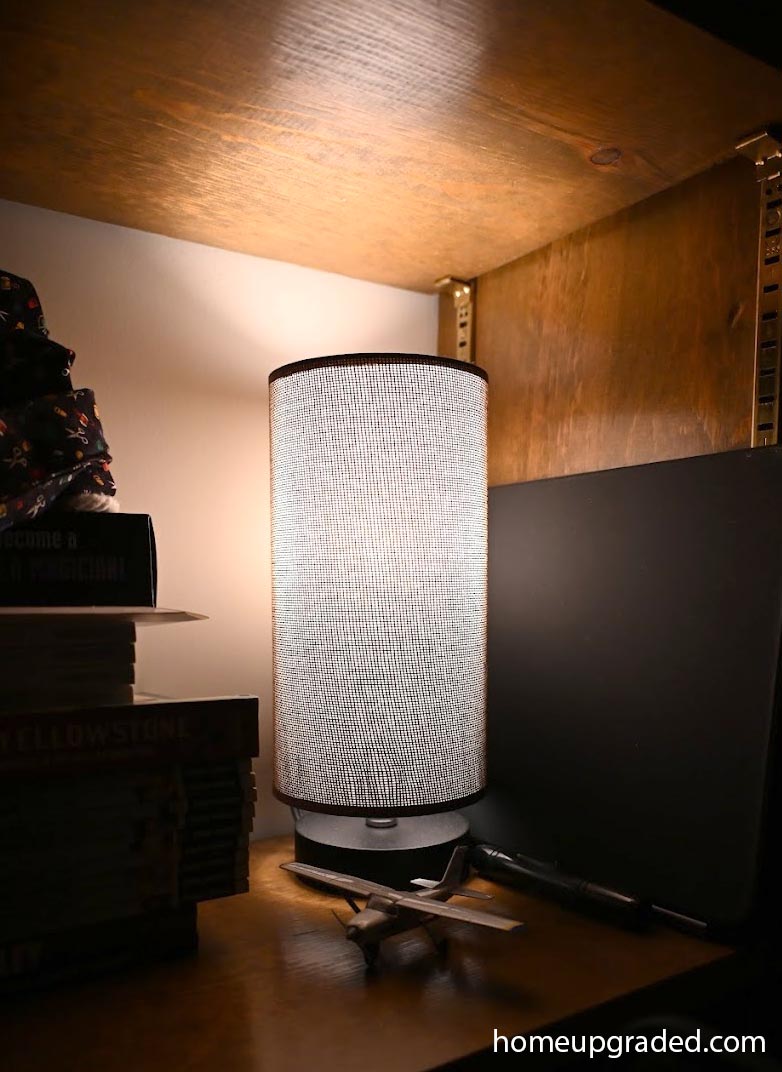
This lamp shade is about 7.5" tall and the Hue bulb is quite a bit shorter.
More things to love about Hue
Ten years into my life with Hue, a few major “plusses” still stand out:
- The bulbs are nearly immortal - Philips says they’re good for 15,000 hours and 15 years. Some of mine are on 24/7 and none have burned out yet. I’ll report back in 2030? lol
- Easy setup - Once the bridge is set up, it’s trivial to add more bulbs. The app searches for the newly-powered bulb and a few simple steps lets you add it to a room.
- App-controlled - I’m typically resentful of the idea that everything has to have an app, but this one feels worth my while. I enjoy picking and changing palettes, and I find the app easy to use. There are no ads and my account stays logged in for months at a time.
- All the whites are here, too - Just in case you miss the look of slightly-yellow and slightly-blue bulbs, Hue can do those colors, too.
- Bulbs still work if your network is down - they glow in their default color (which you can configure)
- Group bulbs by room, purpose, etc. and control them as a group
- Surprisingly tolerant to cold - I have one in my garage and it’s been fine. It gets nearly freezing in there in the winter.
Things to be aware of
- Expensive - I’ve built my collection slowly over the years. It took me about 8 years to feel “done” with my collection. They sometimes go on sale around Black Friday.
- Incompatible with dimmer switches - You’ll have to put the switch in the 100% position, then use the app for dimming and try to break the habit of using the slider
- Lamps with Hue bulbs in them have to be left “ON” at all times and only controlled remotely from the app. This might be challenging to get used to, or inconvenient for certain fixtures.
The Philips Hue family
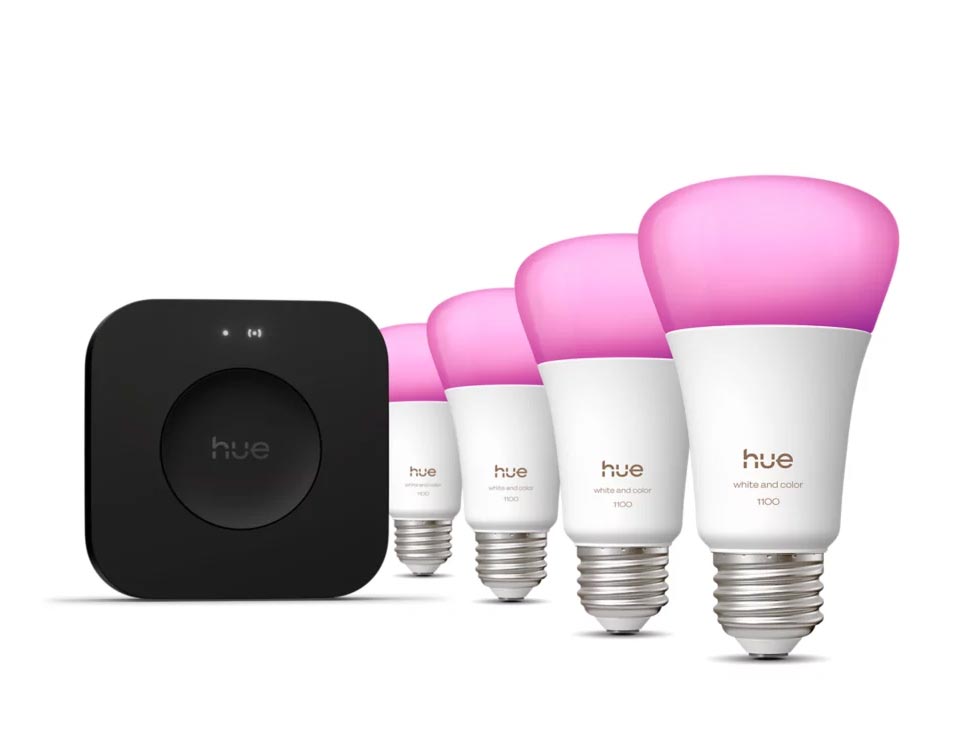
The Philips Hue family is a collection 1 bridge + N bulbs and/or Hue accessories that you set up in your place, hook up to your WiFi network, and control from a smartphone app.
The latest starter kit is this one: Philips Hue Starter Kit - amazon.com
What’s in the starter kit box
- 1 Hue bridge and power cable
- 4 Hue A19 bulbs
- Setup booklet
- Power adapter for bridge
- Ethernet cable
I have the second gen bridge (white box with rounded corners) and have not felt the need to upgrade to the latest one yet. I appreciate the longevity of this hardware: I’ve seen many other “smart” things come and go since 2015, but the Hue system has not forced me to update my bridge just for the sake of producing more e-waste staying compatible with the app and new bulbs.
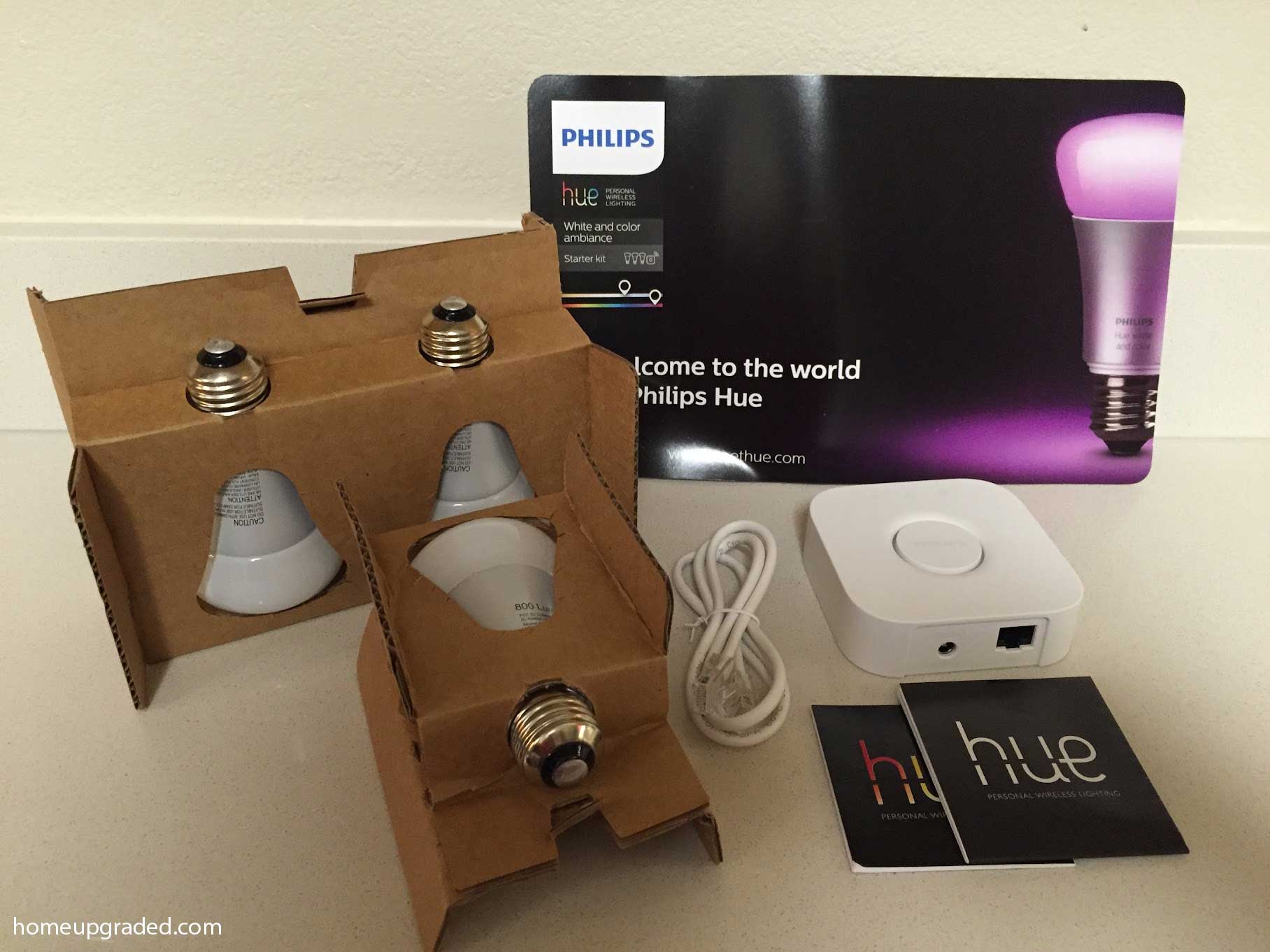
(I am curious about upgrading to the latest bridge, but it has been out of stock every time I’ve checked.)
Accessories I have and like
Hue recessed lights - I think at least 18 of the Hue lights in this house are actually these recessed lights. They were easy to install and have worked without issue for 6+ years.
Hue Philips Indoor 6-Foot Light Strip - I mounted this strip under my kitchen’s hanging cabinets and brought light to a previously always-shadowed section of counter top.
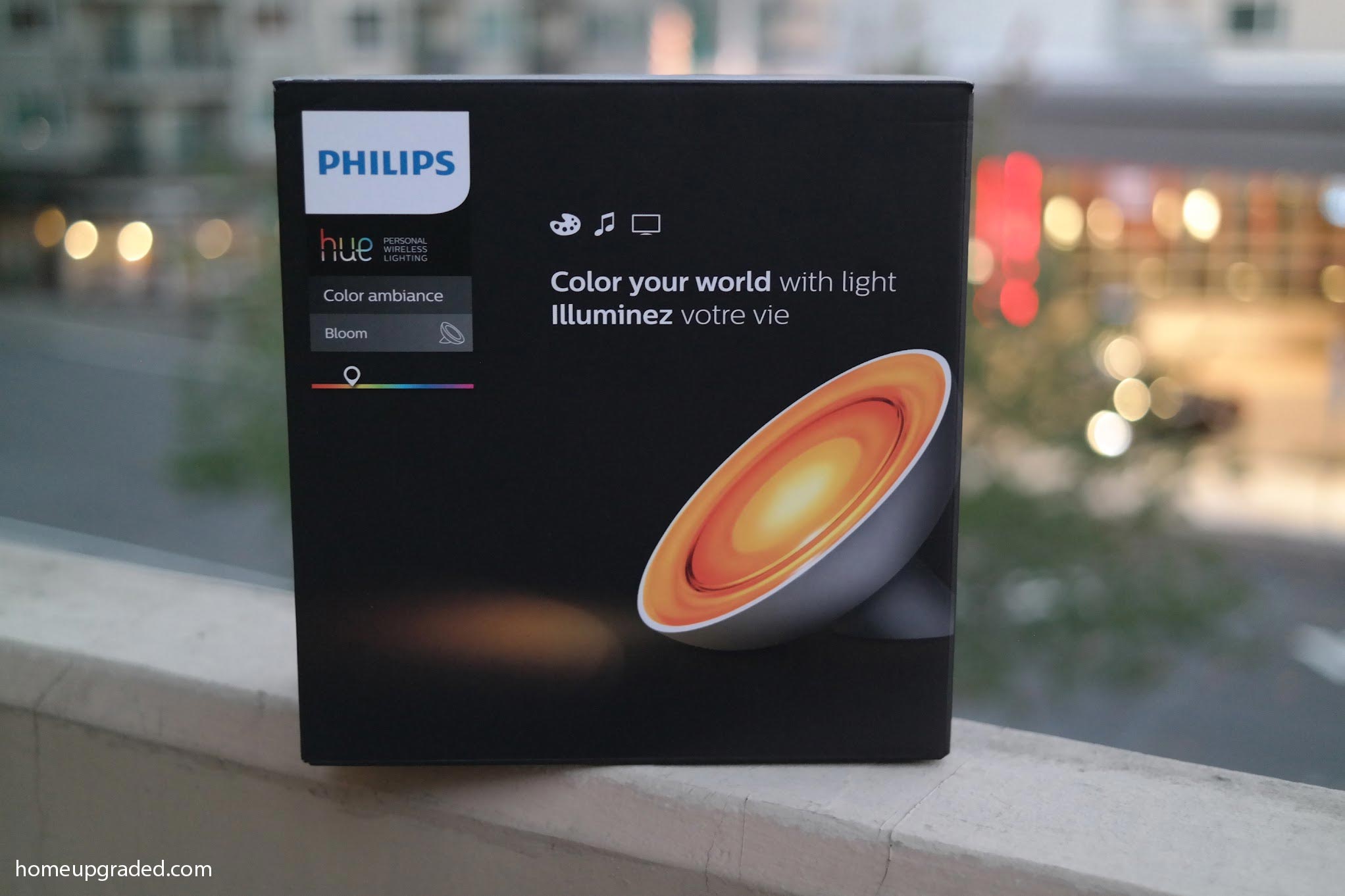
Hue Bloom - This is (was?) a standalone light fixture + built-in bulb that Hue seems to have stopped making. Mine is currently on top of my laundry room cabinets serving as a fill light during early morning and evening hours when there isn’t enough sunlight coming into the room to make it walkable without turning on the main light. I really like this all-in-one Hue lamp and hope they bring it back someday.
That’s another thing worth mentioning: I didn’t replace ALL my lights with Hue lights. Many of my rooms still have a traditional ceiling light or lamp on a light switch for times when we need a more traditional “just hit the switch” lighting experience.
Hue Setup
Setup is generally painless: just plug in the new bulb, turn on the lamp it’s in, and the app should detect it. It works really well; there’s not much to say here.
Alternatives
A couple years ago (long after I got invested with Hue) I did most of my basement and some of my home’s exterior with Wiz bulbs (amazon.com link) They’re great, too.
The bottom line
Philips Hue bulbs are a great way to jump into home automation. The general ease of setup and daily use make them perfect for anyone who can operate a smartphone. For apartment dwellers, they offer a wonderful splash of color that may otherwise be absent in a basic, white-walled unit. There’s enough useful functionality here to justify the cost and elevate Hue above “novelty” status.
See the Philips Hue smart lightbulb system on Amazon.com